Nën . 21, 2024 02:27 Back to list
is baked beans a vegetable
Are Baked Beans a Vegetable? Understanding the Classification of Baked Beans
When it comes to dietary classifications, the question of whether baked beans can be considered a vegetable often arises. This debate can spark conversations about nutrition, food groups, and the intricacies of culinary traditions. In this article, we will explore what defines a vegetable, the characteristics of baked beans, and the implications of classifying them as such.
To begin with, it is essential to define what constitutes a vegetable. Vegetables are generally defined as edible plants or parts of plants that are consumed by humans or other animals as food. This category includes a wide range of plant-based foods such as roots (like carrots), stems (like celery), leaves (like spinach), and flowers (like broccoli). Vegetables are usually characterized by their savory flavor and nutritional benefits, including vitamins, minerals, and fiber.
Are Baked Beans a Vegetable? Understanding the Classification of Baked Beans
From a botanical perspective, beans are indeed not vegetables; they fall into the legume category due to their growth from flowers and their seed-holding pods. However, when considering the culinary perspective, the classification may lean more toward vegetables. This is particularly true in contexts where beans are used as a staple food and included in salads, stews, and other vegetable-rich dishes.
is baked beans a vegetable
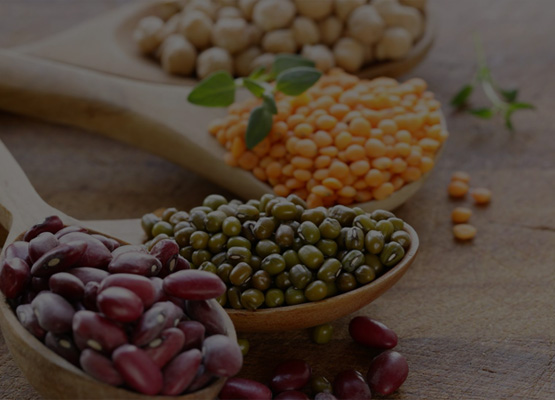
In dietary terms, legumes, including beans, play a crucial role as a source of protein and fiber and are often recommended as part of a balanced diet. They provide essential nutrients while being low in fat. Baked beans, with their rich tomato sauce and added seasonings, can also offer additional health benefits if prepared with care. Many baked bean recipes can be quite healthy depending on the ingredients used; for example, those made with less sugar or sodium can provide a heart-healthy option.
Moreover, the classification of baked beans also has practical implications. For individuals following specific diets, such as vegetarian or vegan diets, understanding whether baked beans can be considered a vegetable can be essential for meal planning. In vegetarian diets where plant-based foods are favored, baked beans can serve as a nutritious protein source that complements salads, grains, and other vegetables.
From a cultural standpoint, baked beans have a long history and hold significance in various cuisines around the world. In American cuisine, they are often associated with barbecue and comfort food, whereas in British cuisine, baked beans are a staple often eaten with breakfast. Regardless of regional differences in preparation, the association of baked beans with hearty, filling meals is common.
Ultimately, while baked beans do not qualify as vegetables in the strict botanical sense, they are often categorized as such in culinary discussions due to their usage in various dishes. This duality highlights the importance of context in food classification. As such, whether baked beans are labeled a vegetable may hinge more on culinary usage and perception rather than strict botanical classification.
In conclusion, the classification of baked beans as a vegetable or not can depend on the context in which they are being discussed—botanically, they are legumes, while culinarily, they can be grouped alongside vegetables. Regardless of their classification, baked beans remain a beloved food that offers numerous nutritional benefits, making them a valuable addition to a diet. As we explore our culinary world, it is essential to embrace the complexity and variety of foods, understanding their roles in nutrition and culture.
 Albanian
  English
  Afrikaans
  Amharic
  Arabic
  Armenian
  Azerbaijani
  Basque
  Belarusian
  Bengali